What dwelling fire insurance covers for Texas rental properties
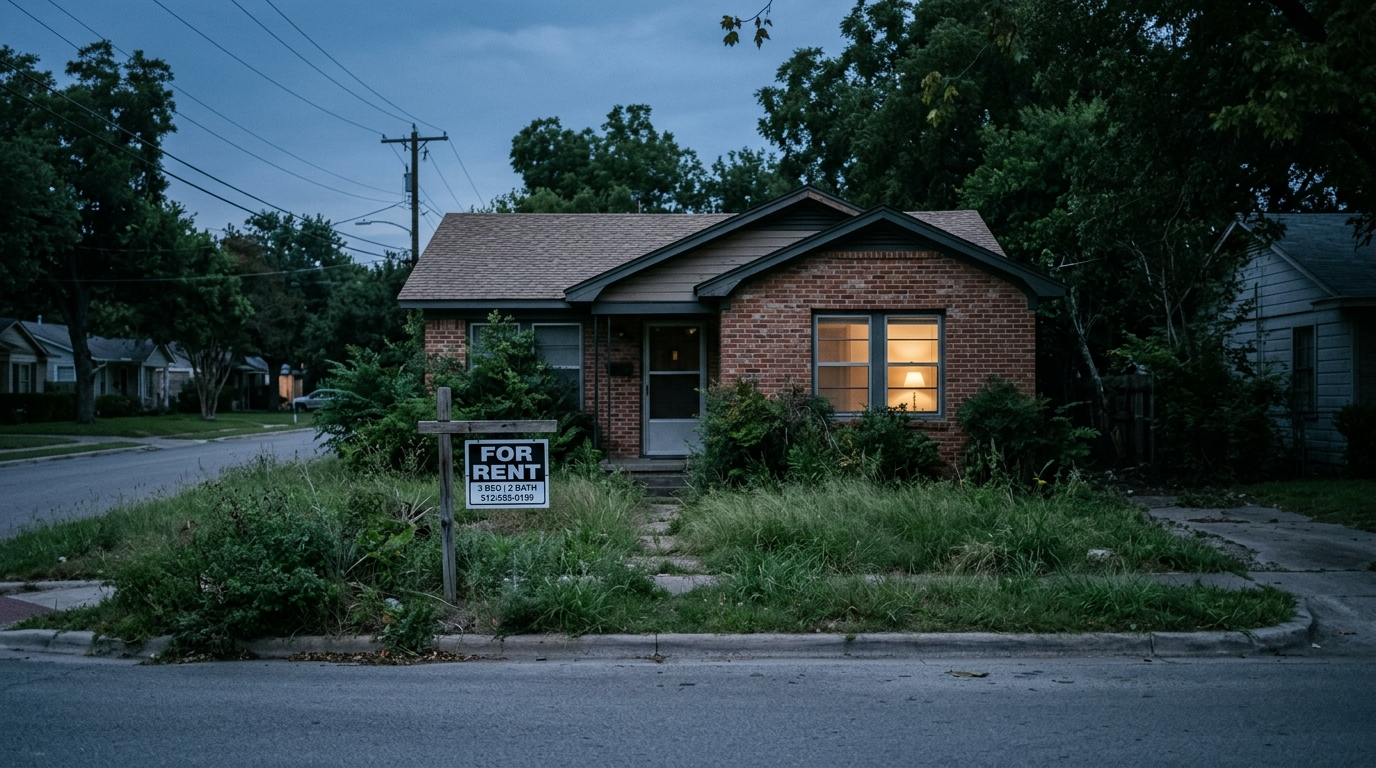
If you own a rental property in Texas, dwelling fire insurance is probably the most important coverage you have never heard of. It is not a standard homeowners policy, and it is not designed for a home you live in. It is built specifically for properties you rent out, covering the things that matter most when a tenant is living there and something goes wrong. Knowing how dwelling fire insurance works for Texas rental properties can be the difference between a manageable claim and a serious financial loss.
What is dwelling fire insurance and how is it different from homeowners insurance
A standard homeowners policy assumes you occupy the home. It bundles coverage for the structure, your personal belongings, liability, and more. When you rent the property to someone else, that assumption breaks down. Many carriers will deny a claim outright if they discover the home was tenant-occupied and covered under a standard homeowners policy at the time of the loss.
Dwelling fire insurance was designed to fill that gap. It covers the physical structure of a property you own but do not live in. Texas landlords use it most often for:
- Single-family rental homes : a house you own and rent to one household.
- Small multi-family properties : duplexes, triplexes, and fourplexes that do not qualify for commercial property policies.
- Vacation or short-term rentals : properties rented periodically where a homeowners policy may not apply.
- Dwellings between occupants : a home sitting vacant while you find a new tenant.
The distinction comes down to occupancy. You own it, someone else lives there, and the policy reflects that arrangement. For a closer look at coverage options built around this scenario, see JAMCO's dwelling fire insurance service page.
The three forms: DP-1, DP-2, and DP-3
Dwelling fire policies in Texas come in three standard forms. The form you choose determines what perils are covered and how your claim is paid. This is where many landlords get tripped up, because cheaper is not always better.
DP-1: basic form
The DP-1 is the most limited option. It covers only named perils, meaning only the specific causes of loss listed in the policy. That typically includes fire, lightning, internal explosion, and sometimes windstorm or hail depending on the carrier. It usually pays on an actual cash value (ACV) basis, so depreciation is subtracted from your claim. A 15-year-old roof that burns down gets paid at its depreciated value, not what it costs to replace it. A DP-1 may look attractive on price, but in Texas, where hail, wind, and fire risks are real, it can leave you badly short at claim time.
DP-2: broad form
The DP-2 adds more named perils, including burglary damage, falling objects, weight of ice or snow, and accidental discharge of water from plumbing. It typically pays replacement cost value (RCV) on the dwelling, which is a meaningful upgrade. Most Texas landlords who want solid protection without paying for all-risk coverage land on a DP-2.
DP-3: special form
The DP-3 is the broadest option and closest to what homeowners policies provide on the structure. It covers the dwelling on an open-perils basis, meaning everything is covered unless specifically excluded. Common exclusions include flood, earthquake, and normal wear and tear. If your rental property has real value and you want the most comprehensive protection available, a DP-3 is worth the premium difference. Many Texas lenders require at least a DP-3 equivalent for financed rental properties.
What dwelling fire insurance actually covers in Texas
Regardless of form, dwelling fire policies are built around a few core coverages. Here is what you are typically buying:
- Coverage A (dwelling) : the physical structure itself, including walls, roof, built-in appliances, attached garage, and permanently installed fixtures.
- Coverage B (other structures) : detached structures on the property such as a fence, shed, or detached garage. Usually 10% of Coverage A by default.
- Coverage C (personal property) : this covers your belongings on the property, not your tenant's. Think appliances you own, lawn equipment, or furniture in a furnished rental. Your tenant needs their own renters insurance to cover their personal belongings.
- Coverage D (fair rental value) : if a covered loss makes the property uninhabitable and you lose rent while repairs are made, this coverage replaces that income. In a state where repairs after a hurricane or hail storm can take months, this coverage is worth carrying.
- Liability coverage : if a tenant or visitor is injured on the property and you are found legally responsible, liability coverage pays for their medical bills and your legal defense. Some DP-1 policies exclude this, so always confirm it is included.
What dwelling fire insurance does not cover
Texas landlords sometimes discover what is missing from their policy only after a claim is filed. A few gaps worth knowing about before you sign:
- Flood damage : no dwelling fire policy covers flood. Texas has some of the highest flood risk in the country, particularly in the Houston metro and along the Gulf Coast. A separate flood insurance policy through the NFIP or a private carrier is essential for most Texas rental properties.
- Tenant's belongings : your policy does not protect your tenant's furniture, electronics, or clothing. That is their responsibility, which is why many landlords now require tenants to carry renters insurance as a lease condition.
- Earthquake damage : Texas sees seismic activity, particularly in West Texas near the Permian Basin. Earthquake coverage requires a separate endorsement or standalone policy.
- Intentional tenant damage : malicious damage caused by a tenant is not universally covered. Some DP-3 policies include a vandalism endorsement that helps here, but read the exclusions carefully.
- Wear and tear or deferred maintenance : no insurance policy covers gradual deterioration. If the roof fails because it was 30 years old and never maintained, that is on you.
How much dwelling fire insurance costs in Texas
Premiums vary based on several factors, but here are realistic ranges for Texas landlords in 2024 and 2025:
A basic DP-1 policy on a modest single-family rental home might run $700 to $1,200 per year . A DP-3 policy on the same property with full replacement cost and fair rental value coverage could be $1,400 to $2,500 per year or more depending on location, construction type, and coverage limits.
Several factors push that number up or down in Texas specifically:
- Location : properties along the Gulf Coast or in Houston's flood-prone corridors carry higher premiums. Inland properties in drier parts of the state are generally cheaper.
- Roof age and material : Texas insurers scrutinize roofs heavily after years of catastrophic hail losses. A roof older than 15 to 20 years will raise your premium or trigger a coverage limitation. Metal and impact-resistant shingles can earn discounts.
- Property age and construction : older homes with aluminum wiring, galvanized plumbing, or knob-and-tube electrical are harder and more expensive to insure.
- Claim history : prior claims on the property, even before you owned it, can affect pricing. Carriers review the CLUE report on the property, not just the owner.
- Coverage limits and deductibles : a higher wind/hail deductible (common in Texas, often 1 to 2% of the insured value) reduces the base premium but shifts more of the loss to you after a storm.
Landlord insurance vs. dwelling fire insurance: what is the difference
You may see the terms used interchangeably, and in practice they often refer to the same thing. Landlord insurance is a marketing term. The underlying policy form is almost always a dwelling fire policy (DP-1, DP-2, or DP-3) with landlord-oriented endorsements added. Those add-ons might include loss of rents, premises liability, or coverage for appliances you own on the property.
When you shop for rental property coverage in Texas, focus on the form and the actual coverage terms rather than the product name. JAMCO's landlord insurance page explains how these policies are structured for Texas property owners and what endorsements are worth adding.
Practical advice for Texas rental property owners
- Insure to replacement cost, not market value : real estate prices and construction costs are two different numbers. If a fire destroys the structure, you need enough coverage to rebuild at today's labor and materials costs, not what the property would sell for. In Texas, construction costs have climbed significantly since 2020.
- Do not skip fair rental value : Texas storm seasons are long. A major hail event in the spring can leave your property unlivable for 90 days or more while contractors are booked out. Fair rental value coverage pays you during that time.
- Require renters insurance from your tenants : your policy does not cover their belongings. If a fire starts due to their negligence, they may be liable to you, and a tenant without renters insurance has nothing to pay from. Making renters insurance a lease requirement protects everyone.
- Review your policy every renewal : construction costs, property values, and carrier underwriting rules change. A property that was adequately insured three years ago may be underinsured today. An annual review with your agent catches this before a claim reveals it.
Get the right dwelling fire coverage with JAMCO Insurance
Choosing the right dwelling fire insurance for a Texas rental property is not something to do on price alone. The form you choose, the limits you set, and the endorsements you add determine whether a claim actually makes you whole or leaves you writing a check out of pocket.
JAMCO Insurance is an independent agency, which means we compare multiple carriers on your behalf to find a policy that fits your property, your budget, and your risk tolerance. We are not locked into one company's products, and we do not have a quota that pushes us toward one carrier over another. Our job is to find you the right coverage at a competitive price.
If you own a rental property in Texas and want to know whether your current coverage is adequate, or if you are buying your first investment property and need to set things up correctly from the start, reach out to our team. Call us at (832) 777-5260 or get in touch through our contact page and we will walk you through your options.
Get A Quote
At JAMCO, securing your future is easy. Ready to protect what matters? Contact us for a quick quote and personalized insurance options!
Kelly
Speak to Kelly 24/7
Microphone ready
Start your custom insurance quote
Instant answers to your insurance questions
Schedule appointments or follow-ups
Personal Insurance
From auto and homeowners to renters and umbrella policies, we help protect your family and property. Let’s find coverage that fits your life.
Commercial Insurance
We customize policies for your industry's risks, like general liability and workers' comp, ensuring you can run your business worry-free.
Contact JAMCO Insurance
Recent Posts