Umbrella insurance in Texas: when your home and auto limits aren't enough
Most Texans feel reasonably well-protected once they have a homeowners policy and an auto policy in place. But umbrella insurance exists because those standard limits can run out faster than most people expect, and when they do, everything you own becomes fair game in a lawsuit. Understanding where your current coverage ends, and what fills the gap, is one of the most practical financial decisions you can make.
What umbrella insurance actually does
A personal umbrella policy is a liability-only policy that sits above your existing home, auto, and other personal policies. It does not duplicate what those policies already pay. It activates after your underlying limits are exhausted.
Consider a concrete example. You cause a multi-car accident on I-45 near Houston. Medical bills, lost wages, and pain-and-suffering claims for the other driver total $650,000 . Your personal auto policy has a $300,000 per-accident bodily injury limit. That leaves a $350,000 gap that a plaintiff's attorney will pursue directly from your savings, home equity, and future earnings, unless an umbrella policy is there to close it.
The same scenario plays out on the homeowners side. A guest slips at your backyard barbecue and files a serious injury claim. Your homeowners liability limit is $300,000 . The jury verdict comes in at $800,000 . Without an umbrella, you pay the difference out of pocket.
Typical policy limits and what they cost in Texas
Umbrella policies are sold in $1 million increments , usually starting at $1 million and going up to $5 million or more for most households. The premium is surprisingly affordable relative to the coverage: most Texas homeowners pay between $150 and $350 per year for a $1 million umbrella, depending on the number of vehicles, drivers in the household, property owned, and other risk factors.
A $2 million umbrella typically costs only $75 to $150 more per year than the $1 million version, because the carrier's statistical risk drops significantly once the first million of exposure is already in place.
To qualify for a personal umbrella, insurers require minimum underlying liability limits. Common Texas requirements:
- Auto bodily injury: typically $250,000/$500,000 or $300,000/$300,000
- Auto property damage: typically $100,000
- Homeowners personal liability: typically $300,000
If your current policies carry lower limits, you may need to increase them before the umbrella carrier will issue a policy. That adjustment often adds only a small amount to your existing premiums.
Who actually needs umbrella coverage in Texas
Far more people than currently buy it. Several situations put you at higher-than-average liability exposure:
- Teen or young adult drivers: drivers under 25 are statistically the most likely to cause a serious accident, and they are covered under your umbrella if they live in your household and are listed on your auto policy.
- Swimming pools, trampolines, or dogs: Texas courts regularly award significant damages for pool drownings, trampoline injuries, and dog bites. These claims originate on your property, where your homeowners liability applies first.
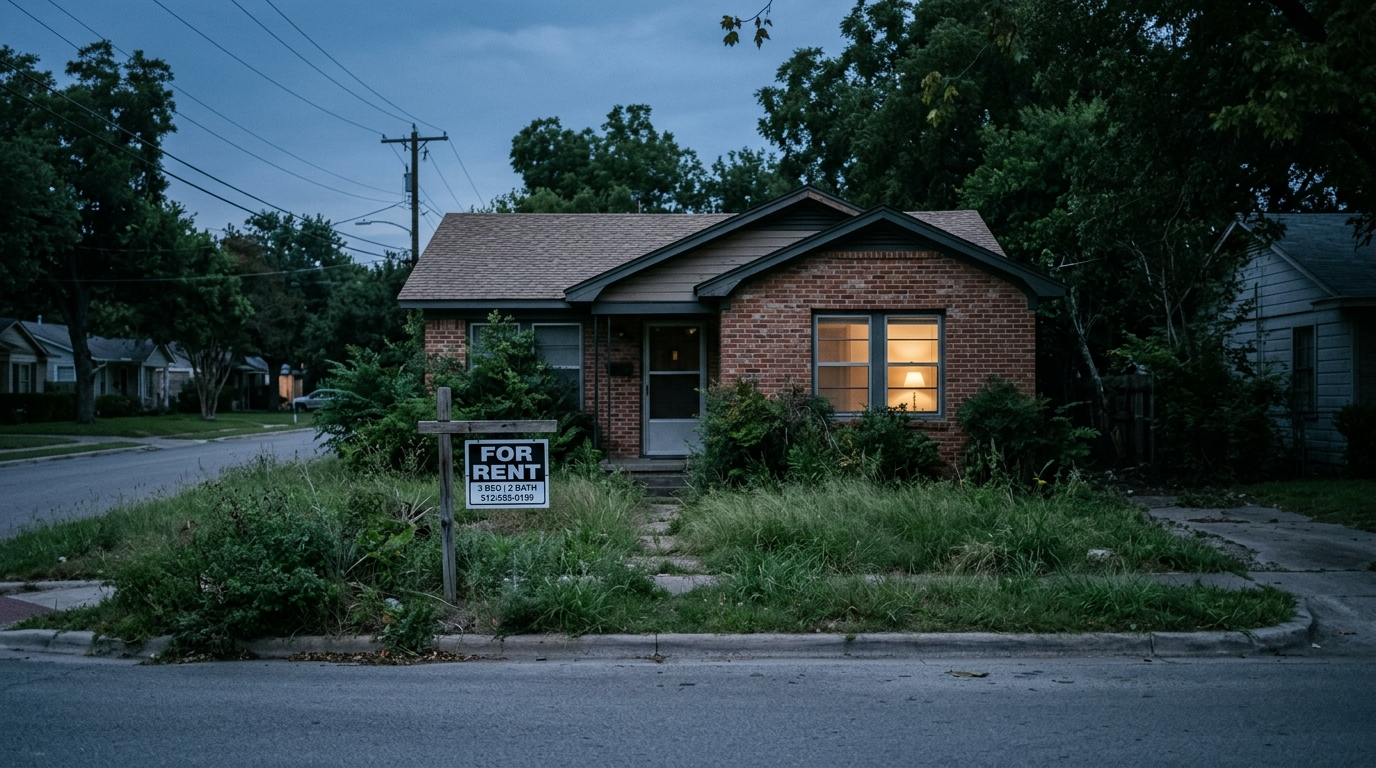
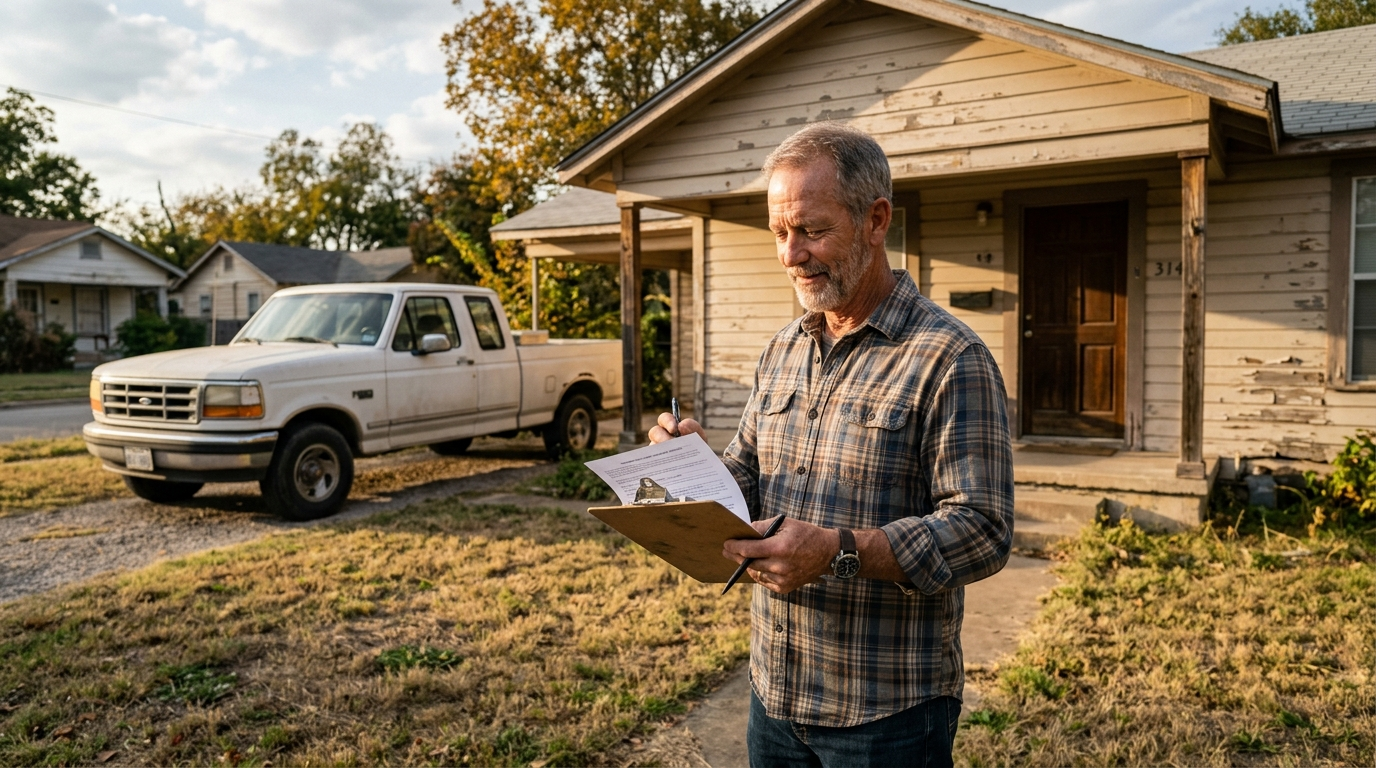
- Rental property ownership: if you own a rental property, a tenant or visitor injured there can name you personally in a lawsuit. Some umbrella carriers will extend coverage to residential rentals.
- Frequent driving or long commutes: more time on Texas highways means more exposure to at-fault accidents, particularly on congested corridors in the Houston metro area.
- Home-based businesses or side income: most personal umbrellas exclude business activities, so a separate commercial policy may be needed for that exposure.
- Significant home equity or retirement savings: the more assets you have, the more reason a plaintiff's attorney has to pursue you above policy limits.
A common assumption is that umbrella insurance is only for the wealthy. That is backwards. If you have home equity, retirement savings, a steady income, or any combination of these, you have something worth protecting. Attorneys know this, and so do juries.
What umbrella policies cover and what they don't
A standard personal umbrella covers most liability claims that also trigger your underlying home or auto policy, plus a few extras those underlying policies may not include:
- Bodily injury liability: injuries to others you cause while driving, on your property, or in other personal activities
- Property damage liability: damage you cause to someone else's property
- Personal injury liability: this often includes libel, slander, and defamation claims, which are not always covered under a homeowners policy
- Legal defense costs: most umbrellas pay defense costs in addition to the policy limit, not out of it
Common exclusions to be aware of:
- Your own injuries or property: umbrella is purely liability coverage and does not pay for damage to your own home or vehicle
- Business activities: operating a business from home, driving for a rideshare platform, or running a side hustle typically falls outside a personal umbrella's scope
- Intentional acts: deliberate harm is never covered
- Professional liability: malpractice or errors in your professional capacity require a separate errors and omissions or professional liability policy
- Watercraft above a certain size or horsepower: boat coverage rules vary by carrier, so ask specifically if you own a boat
Texas liability environment: why the numbers matter here
Texas is not a no-fault state for auto accidents. The state follows a modified comparative fault rule, meaning a driver found to be more than 50 percent at fault can be held liable for the full damages their share represents. Texas also does not cap non-economic damages in most personal injury cases outside of medical malpractice, which means pain-and-suffering awards can be substantial.
Harris County and surrounding counties regularly see multi-million-dollar jury verdicts in vehicle accident cases. A 2023 survey of Texas civil verdicts found that the median plaintiff's award in personal injury cases that went to trial exceeded $1 million in several major Texas counties. Standard auto limits of $30,000 per person or even $100,000 per person , which many Texans still carry, offer almost no meaningful protection against those numbers.
Texas also has one of the highest rates of uninsured drivers in the country, hovering around 20 percent. While that is primarily a coverage issue for your own vehicle (handled by uninsured motorist coverage), it reflects an environment where serious accidents are common and the financial stakes are real.
For a fuller picture of how your auto policy limits fit into this, the article on Texas minimum car insurance requirements breaks down the state's baseline numbers and why they leave most drivers underprotected.
How umbrella coverage fits with bundling
One practical advantage of carrying your home and auto policies with the same carrier, or through the same independent agent, is that adding an umbrella becomes much simpler. The umbrella carrier typically requires confirmation that the underlying policies meet their minimum limits, and when everything is already on file in one place, that process is straightforward.
Bundling home and auto with the same carrier often produces a discount of 10 to 25 percent on both policies. Adding a personal umbrella on top of a bundle is usually another $150 to $350 per year, making the total cost for all three policies substantially less than buying each separately from different carriers. You can read more about how bundling works in the guide on bundling home and auto insurance in Texas.
Get the right umbrella limit for your situation
A straightforward starting point: add up your net worth (home equity, retirement accounts, savings, investment accounts) and buy at least that much in umbrella coverage. Your future income is also at stake, because Texas law allows wage garnishment in civil judgments, so some advisors recommend adding 5 to 10 years of income on top of your assets.
For most Texas homeowners and families, a $1 million to $2 million umbrella is the right starting range. Households with significant assets, multiple properties, or higher-risk factors like a teen driver and a pool may want to consider $3 million to $5 million . Because umbrella premiums scale slowly upward after the first million, moving from $1 million to $3 million in coverage often costs less than most people expect.
The right number depends on your specific situation, which is exactly the kind of conversation an independent agent is equipped to have with you. An independent agent can compare rates and coverage terms across multiple carriers rather than being limited to one company's options.
Talk to JAMCO Insurance about your coverage gaps
At JAMCO Insurance, we are an independent agency serving Texas homeowners, drivers, and families. That means we work for you, not for any single insurance company. We compare umbrella options across multiple carriers to find coverage that fits your assets, your lifestyle, and your budget, without steering you toward one carrier's preferred product.
If you have not reviewed your home and auto liability limits recently, now is a good time. A brief conversation can tell you whether your current limits leave you exposed and whether an umbrella policy makes sense for your situation.
Reach out to our team at (832) 777-5260 or visit our contact page to start a conversation. You can also explore our full range of personal umbrella insurance options to get a sense of what we offer before you call.
Get A Quote
At JAMCO, securing your future is easy. Ready to protect what matters? Contact us for a quick quote and personalized insurance options!
Kelly
Speak to Kelly 24/7
Microphone ready
Start your custom insurance quote
Instant answers to your insurance questions
Schedule appointments or follow-ups
Personal Insurance
From auto and homeowners to renters and umbrella policies, we help protect your family and property. Let’s find coverage that fits your life.
Commercial Insurance
We customize policies for your industry's risks, like general liability and workers' comp, ensuring you can run your business worry-free.
Contact JAMCO Insurance
Recent Posts