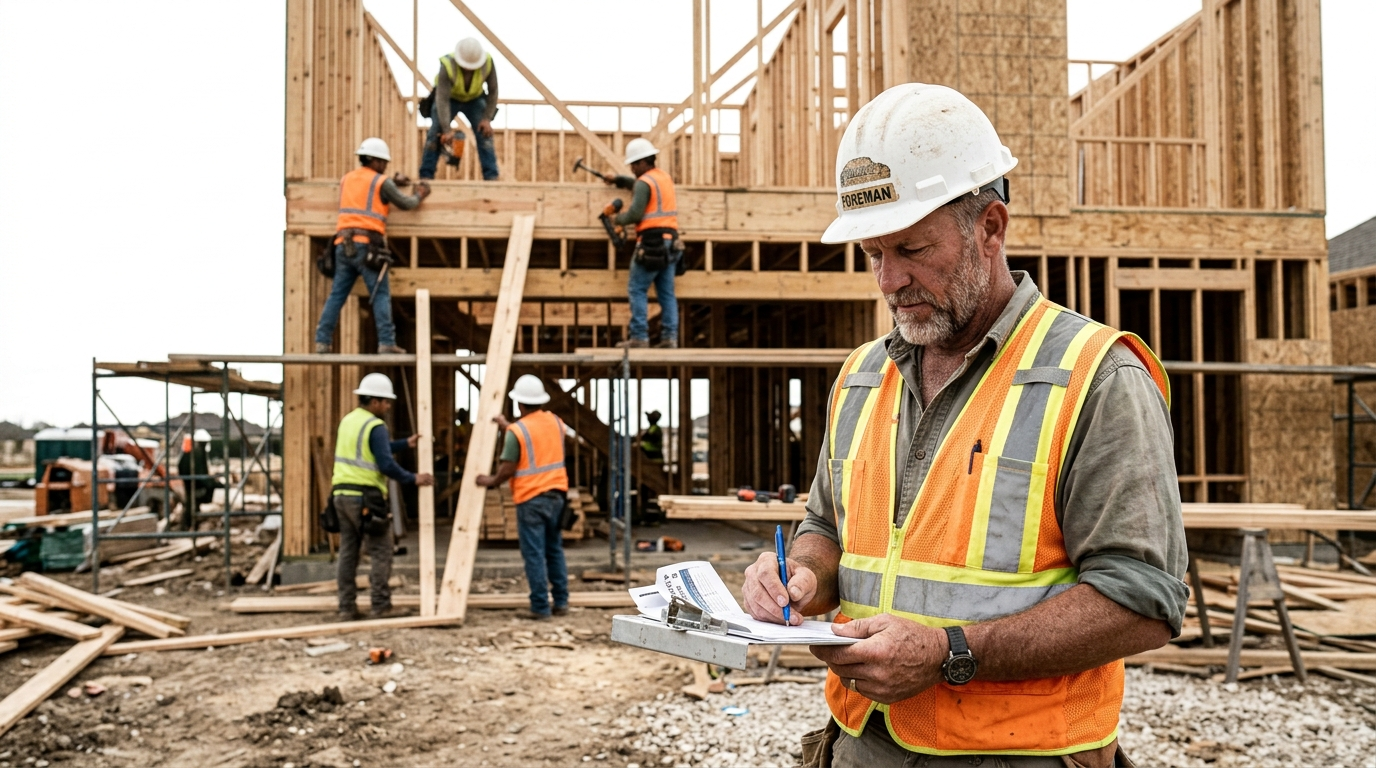
What Makes Home Insurance for Modular Homes Different?
If you own a modular home in Texas, you may have heard conflicting information about what kind of insurance you need. Some agents lump modular homes in with manufactured or mobile homes, while others treat them exactly like traditional site-built houses. The truth depends on one critical factor: which building code your home was constructed under .
Home insurance for modular homes is often simpler than most owners expect. Because modular homes are built to the same local and state building codes as conventional stick-built houses, they typically qualify for a standard HO-3 homeowners insurance policy -- the same broad coverage your neighbor with a traditional home carries. Understanding this distinction can save you money and ensure you get the right protection for your property.
Modular vs. Manufactured: The Building Code Distinction
The terms "modular home" and "manufactured home" are frequently used interchangeably, but they represent two very different construction standards . This matters because insurance carriers classify your home based on how it was built, not just how it looks from the street.
Modular Homes: Built to Local and State Codes
A modular home is constructed in sections at a factory, then transported to your property and assembled on a permanent foundation . The key detail is that modular homes must meet the same local and state building codes that apply to any site-built home in your area. In Texas, that means compliance with the International Residential Code (IRC) as adopted by your municipality.
Once the sections are joined and finished on-site, a modular home is virtually indistinguishable from a traditional house. Local inspectors verify the construction at each stage, just as they would for a home built entirely on the lot. This is why most insurance carriers treat modular homes the same as conventional construction.
Manufactured Homes: Built to Federal HUD Code
A manufactured home, on the other hand, is built entirely in a factory under the federal HUD code (formally the National Manufactured Housing Construction and Safety Standards Act of 1974). These homes carry a permanent HUD certification label and are transported on their own chassis. They may or may not be placed on a permanent foundation.
Because manufactured homes follow a different regulatory path, they generally require a specialized mobile home or manufactured home insurance policy rather than a standard homeowners policy. If you have been told your modular home needs mobile home insurance, it is worth double-checking your home's classification -- you may be overpaying or carrying the wrong type of coverage.
Why Modular Homes Qualify for Standard HO-3 Policies
The HO-3 policy is the most common form of homeowners insurance in the United States. It provides open-peril coverage on the dwelling itself and named-peril coverage on personal property. For Texas homeowners, that means protection against fire, wind, hail, theft, vandalism, and a long list of other risks.
Insurance carriers evaluate risk based on construction quality, foundation type, and code compliance. Since modular homes check all the same boxes as site-built homes, most major carriers in Texas will write a standard homeowners insurance policy for them without any special endorsements or surcharges. Your modular home policy will typically include:
- Dwelling coverage (Coverage A) -- Protects the structure itself against covered perils at replacement cost
- Other structures (Coverage B) -- Covers detached garages, fences, and sheds on the property
- Personal property (Coverage C) -- Insures your belongings inside the home
- Loss of use (Coverage D) -- Pays for temporary living expenses if your home becomes uninhabitable
- Liability (Coverage E) -- Protects you if someone is injured on your property
The bottom line: if your modular home sits on a permanent foundation and was built to local building codes, you should be shopping for a standard homeowners policy -- not a manufactured home policy.
Common Insurance Challenges for Modular Homeowners in Texas
Even though modular homes qualify for standard coverage, a few situations can complicate the process. Being aware of these ahead of time helps you avoid gaps in coverage or unnecessarily high premiums.
Misclassification by the Insurance Carrier
Some carriers or their automated systems may flag a modular home as "manufactured" based on limited property data. If this happens, you could be quoted a manufactured home policy with more limited coverage and higher rates . Keep your home's documentation handy, including the manufacturer's specifications showing compliance with local building codes and proof of a permanent foundation. An experienced independent agent can present this information to the underwriter and get your home correctly classified.
Appraisal and Replacement Cost Issues
Replacement cost estimates for modular homes sometimes come in lower than they should because comparable sales data can be limited. If your dwelling coverage amount is too low, you risk being underinsured after a total loss. Work with your agent to ensure the replacement cost valuation accurately reflects what it would cost to rebuild your home to current code, including the cost of transporting and assembling modular sections.
Wind and Hail Coverage in Coastal Areas
Texas homeowners near the Gulf Coast face unique wind and hail exposure. Modular homes in Pasadena, TX and surrounding areas need to carry adequate windstorm coverage. Depending on your location, you may need a separate wind policy through the Texas Windstorm Insurance Association (TWIA) if your primary carrier excludes wind damage. Your agent should review your policy carefully to make sure there are no gaps in your storm coverage.
How to Get the Right Modular Home Insurance Policy
Finding the right modular home insurance comes down to working with someone who understands the distinction between modular and manufactured construction. Here are the steps to follow:
- Verify your home's classification -- Confirm whether your home was built to local/state building codes (modular) or federal HUD code (manufactured). Check your purchase documents or contact your home's manufacturer
- Document the permanent foundation -- If your modular home is on a permanent foundation, keep proof available for the insurance application process
- Request an HO-3 policy quote -- Do not accept a manufactured home policy without confirming your home's classification first
- Review replacement cost carefully -- Make sure the dwelling coverage reflects the true cost to rebuild, not just the market value
- Ask about available discounts -- Many carriers offer discounts for security systems, impact-resistant roofing, and bundling auto and home policies
Working with an independent insurance agency gives you a significant advantage here. Unlike captive agents who represent a single carrier, an independent agent can compare quotes from multiple companies to find the best combination of coverage and price for your specific modular home. For more on how homeowners insurance works in our area, check out our guide on homeowners insurance in Pasadena, TX.
Frequently Asked Questions About Modular Home Insurance
Is modular home insurance the same as manufactured home insurance?
No. Modular homes are built to local and state building codes, just like site-built homes, so they typically qualify for a standard HO-3 homeowners policy. Manufactured homes are built to federal HUD code and usually require a specialized manufactured or mobile home policy. The construction standard your home was built under determines which type of insurance you need.
Do modular homes cost more to insure than site-built homes?
Generally, no. Because modular homes meet the same building codes as traditional construction, insurance carriers rate them similarly. In some cases, modular homes may even cost slightly less to insure because factory construction can result in tighter quality control and fewer building defects.
What if my insurance company classified my modular home as manufactured?
This happens more often than it should. Contact your agent and provide documentation showing your home was built to local or state building codes and placed on a permanent foundation. If your current carrier will not reclassify it, an independent agent can shop your policy with carriers who will correctly underwrite your modular home as standard construction.
Does a modular home need to be on a permanent foundation to get standard homeowners insurance?
Yes. A permanent foundation is one of the key factors insurance carriers look at when classifying a home. If your modular home is on a permanent foundation and built to local codes, it should qualify for a standard homeowners policy. If it is on a non-permanent foundation, carriers may treat it more like a manufactured home.
What perils does a standard HO-3 policy cover for a modular home?
An HO-3 policy provides open-peril coverage on the dwelling, meaning it covers all risks except those specifically excluded in the policy. Common covered perils include fire, wind, hail, lightning, theft, vandalism, and water damage from burst pipes. Flood and earthquake damage are typically excluded and require separate policies.
Protect Your Modular Home With the Right Coverage
Owning a modular home in Texas should not mean settling for limited coverage or paying more than you need to. The key is making sure your home is correctly classified and that your policy reflects the quality construction modular homes are known for.
At JAMCO Insurance , we are an independent agency serving Pasadena, TX and communities across Texas. We work with multiple carriers to find the right homeowners policy for your modular home -- one that provides the coverage you need at a price that makes sense. Whether you need a new policy or want a second opinion on your current coverage, reach out to our team or call us at (832) 777-5260 to get started.
Get A Quote
At JAMCO, securing your future is easy. Ready to protect what matters? Contact us for a quick quote and personalized insurance options!
Kelly
Speak to Kelly 24/7
Microphone ready
Start your custom insurance quote
Instant answers to your insurance questions
Schedule appointments or follow-ups
Personal Insurance
From auto and homeowners to renters and umbrella policies, we help protect your family and property. Let’s find coverage that fits your life.
Commercial Insurance
We customize policies for your industry's risks, like general liability and workers' comp, ensuring you can run your business worry-free.
Contact JAMCO Insurance
Recent Posts